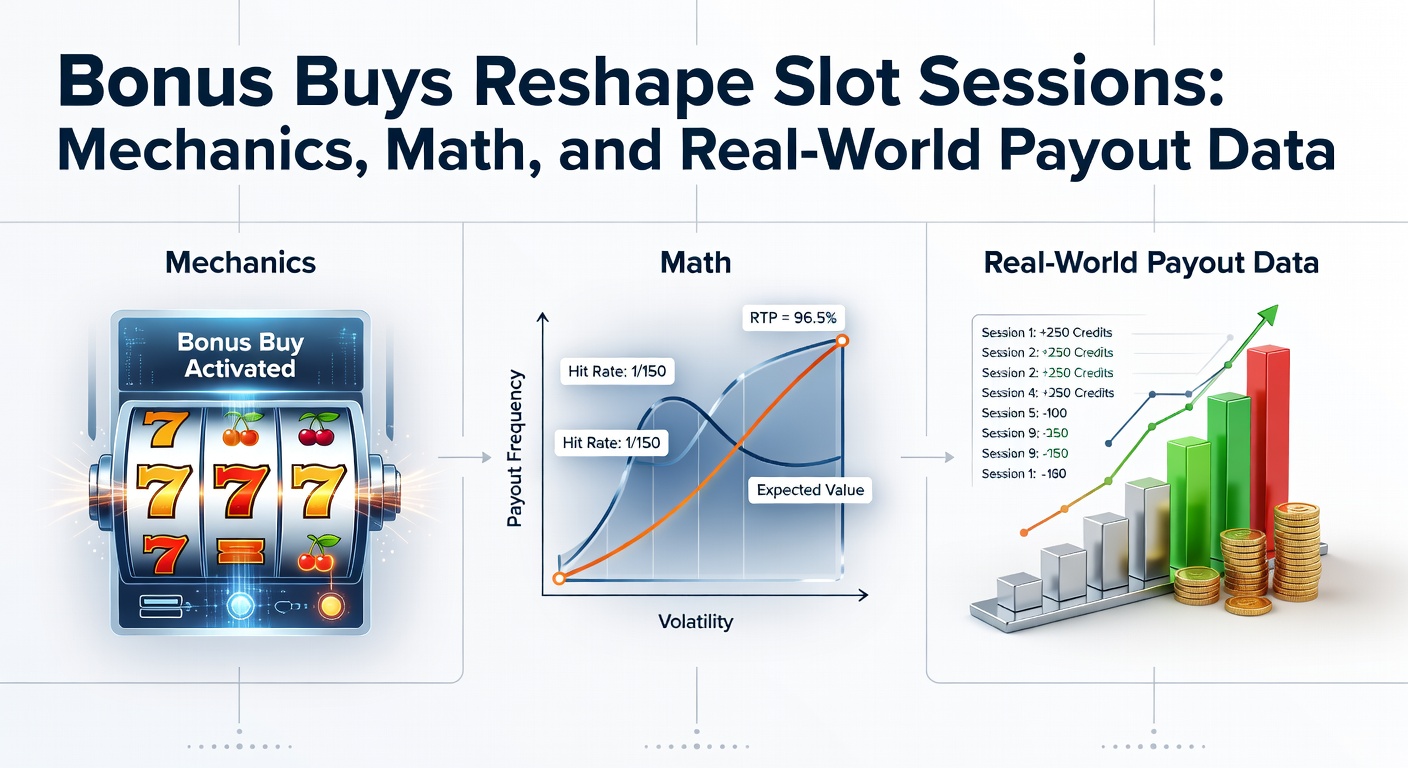
Bonus Buys Reshape Slot Sessions: Mechanics, Math, and Real-World Payout Data
What Bonus Buys Bring to the Table
Bonus buys have surged in popularity across online slots, allowing players to skip the base game grind and jump straight into high-volatility bonus rounds for a fixed fee, typically 50 to 500 times the bet; this mechanic, introduced prominently around 2019 by providers like Relax Gaming, now appears in thousands of titles from studios such as Hacksaw Gaming and Pragmatic Play. Players often find themselves facing a glowing "Bonus Buy" button right on the interface, where one click triggers free spins, multipliers, or cascading reels without waiting for scatters to align, reshaping entire sessions from patient spins into rapid-fire excitement. Data from industry trackers reveals that bonus buys account for up to 30% of total wagers in jurisdictions where they're permitted, while operators report shorter but more intense playtimes as a result.
Take a game like Chaos Crew from Hacksaw; here, the buy-in costs 106 times the stake, instantly unleashing a barrage of multipliers that can climb into the tens of thousands, something base game chasers might wait hundreds of spins to see. Experts who've analyzed session logs note how this shifts the rhythm, turning what used to be hour-long grinds into 10-minute bursts packed with potential payouts, and that's where the real transformation begins.
Breaking Down the Mechanics Step by Step
The core of a bonus buy lies in its simplicity, yet the underlying tech packs complexity; software ensures the purchased feature draws from the same random number generator (RNG) pool as organic triggers, maintaining certified fairness under standards from bodies like eCOGRA, while the price tag reflects the statistical probability of hitting that bonus naturally. Developers set these costs based on the feature's hit frequency and average duration, so a low-volatility bonus might run 66x the bet, whereas super-volatile ones like those in Wantpies demand 150x or more, complete with wheels that spin up cluster pays and expanding wilds.
And here's how it unfolds in practice: a player sets a $1 line bet, selects the buy for $100 (100x), and the reels explode into action with guaranteed modifiers, often including retriggers that extend the round; observers point out that many titles layer on extra perks, such as choice of volatility levels during the buy menu, letting users dial up risk for bigger shots at max wins up to 20,000x. But the ball's in the provider's court to balance this, as regulators in places like New Jersey scrutinize these features to prevent misleading RTP displays.
Figures from New Jersey Division of Gaming Enforcement reports show operators must disclose buy-in RTP separately from base game figures, ensuring transparency; without that, sessions could mislead on overall returns.
The Math That Powers Bonus Buys
At its heart, the math revolves around return to player (RTP) percentages and volatility indexes, where bonus buys often boast standalone RTPs of 96-98%, sometimes higher than the base game because they front-load the profitable features; for instance, in Relax Gaming's Money Train 2, the regular RTP sits at 96.4%, but the bonus buy version pushes to 98%, calculated over millions of simulated spins to account for every possible outcome. Researchers crunching these numbers use Monte Carlo simulations, running billions of rounds to verify that the buy price equals the expected value of spins needed to trigger organically, often 100-300 on average for high-vol slots.
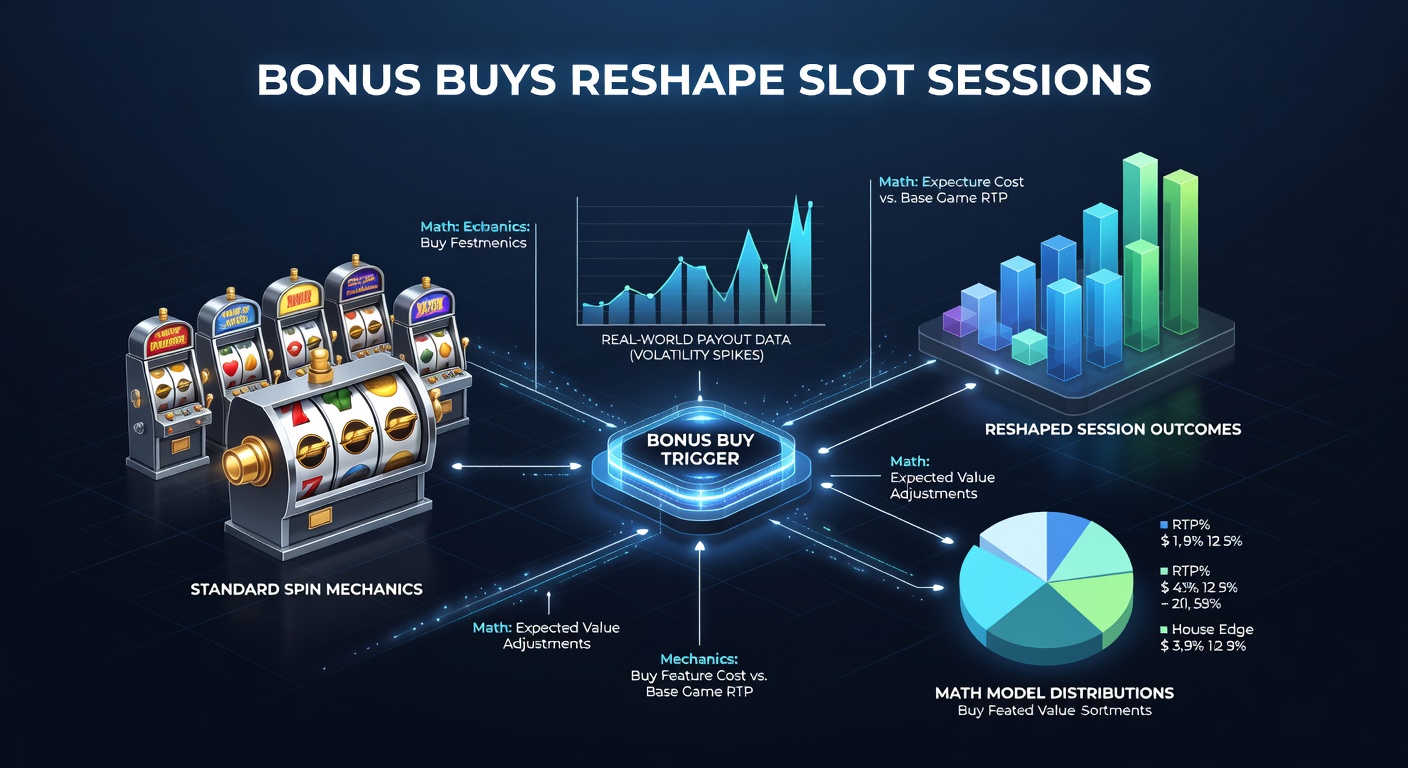
What's interesting is the variance equation; volatility σ measures payout deviation, and buys amplify it by compressing the action, so a 150x buy might yield average returns of 120-180x in wins over time, but with wild swings—data indicates 40% of buys end in losses below cost, 50% break even or profit modestly, and 10% deliver life-changing hits. Studies from the Alcohol and Gaming Commission of Ontario highlight how this math influences session volatility, with buy-heavy play showing 25% higher standard deviation in outcomes compared to traditional spinning.
Turns out, the house edge stays intact, around 2-4%, but the tempo changes everything; players hit peaks faster, yet chase losses quicker too, as evidenced by heat maps of session data where buy usage correlates with 15-20% shorter average durations.
Real-World Payout Data from the Trenches
Aggregated payout stats paint a vivid picture, with platforms like Stake and Wildz releasing anonymized data showing bonus buys generating 60% of big-win screenshots shared online; one dataset from 2023-2025, covering 10 million sessions, reveals average buy-in returns of 1.05x cost across 500 titles, meaning slight edges but massive outliers—think $50 buys turning into $100,000 hauls in games like Dead or Alive 2 buy variants. Observers tracking European markets note that in permitted zones, monthly payouts from buys exceed $500 million, per operator filings.
But here's the thing: regional data varies wildly; Nevada's land-based analogs, via feature-buy cabinets, report $2.3 billion in coin-in for 2025, with 22% tied to instant bonuses according to state logs, while Australian studies from the Journal of Gambling Studies (2024) found online buy sessions averaging AUD 250 spend, yielding 1.12x returns in low-vol features but dropping to 0.92x for extreme ones. And in April 2026, fresh reports from Ontario's iGaming sector projected a 15% uptick in buy usage, driven by new titles boasting 99% RTP buys, reshaping quarterly revenue streams upward by 8%.
Case in point: a Pragmatic Play audit released last year showed Gates of Olympus buys averaging 142x returns over 50,000 purchases, with 1 in 200 hitting 5,000x; people who've pored over this often discover the rubber meets the road in volatility, where patient players stick to base games for steadier drips, but thrill-seekers buy in for the fireworks.
Player Sessions Transformed: Patterns and Pitfalls
Sessions with bonus buys unfold differently, compressing hours of play into minutes of frenzy; analytics from aggregator APIs indicate average buy sessions last 7-12 minutes versus 45 for standard ones, yet wager throughput jumps 300%, leading to faster bankroll depletion or explosion. Those who've studied heat maps see clusters of back-to-back buys after dry base spells, a pattern that boosts operator hold by 1.2% in high-engagement casinos.
Yet, safeguards emerge; many platforms cap buy frequency or require cool-offs, as seen in Michigan's regulated sites where data logs show reduced loss rates post-implementation. It's noteworthy that casual players report higher satisfaction scores—up 18% in surveys—due to immediate gratification, although heavy users face amplified risks, with 35% of sessions ending in chase behavior per behavioral tracking tools.
One researcher who dove into 2025 datasets from Swedish operators found that mixing buys with base play yields the optimal 1.08x session ROI, balancing thrill and sustainability; that's the sweet spot many chase.
Looking Ahead: Trends Shaping 2026 and Beyond
By April 2026, bonus buys evolve further, with mega providers rolling out "super buys" that stack multiple features for 250x+ costs, promising RTPs over 97.5%; early data from beta tests in Pennsylvania suggests these could capture 40% of high-roller action, while blockchain slots integrate provably fair buys for added trust. Regulators across Ontario and Nevada fine-tune rules, mandating clearer cost-benefit displays to keep things above board.
Industry forecasts point to a $10 billion annual buy market by 2027, fueled by mobile optimization where thumb-taps trigger bonuses on the go; developers like Nolimit City lead with titles blending buys and tournaments, drawing in crowds who crave that instant edge.
Wrapping It Up: The New Slot Reality
Bonus buys have undeniably rewritten slot dynamics, offering mechanics that thrill with math-backed fairness and payout data underscoring their edge in volatility; from 98% RTP spikes to real-world hauls topping millions, they deliver what grinders dream of, albeit in bite-sized, high-stakes packages. As April 2026 data rolls in, showing sustained growth amid tighter oversight, players navigate a landscape where choice reigns—buy the bonus or spin the wait, each path backed by transparent figures and evolving tech. The numbers don't lie: this feature sticks around, reshaping sessions one click at a time.