
Manchester Zoning Board Greenlights Expansive Revo Casino Redevelopment in New Hampshire
The Unanimous Decision That Paves the Way Forward
The Manchester Zoning Board of Adjustment recently delivered a unanimous vote, granting more than a dozen variances to the Granite State Poker Alliance and Dick Anagnost, clearing the path for a major expansion of Revo Casino on South Willow Street in Manchester, New Hampshire; this move, detailed in reports from CDC Gaming, signals a significant upgrade to the area's charitable gaming landscape, where aging infrastructure gives way to modern facilities designed to serve the community.
Observers note how such approvals, especially when unanimous, often reflect strong alignment between project plans and local zoning goals, although the variances address specific deviations needed for the ambitious scope; Dick Anagnost, the majority owner of the three parcels involved, highlighted during proceedings that the redevelopment would modernize the site while enhancing the local entryway, transforming what currently stands as 60- to 70-year-old structures into a vibrant 73,000-square-foot charitable gaming hub.
Unpacking the Project's Core Components
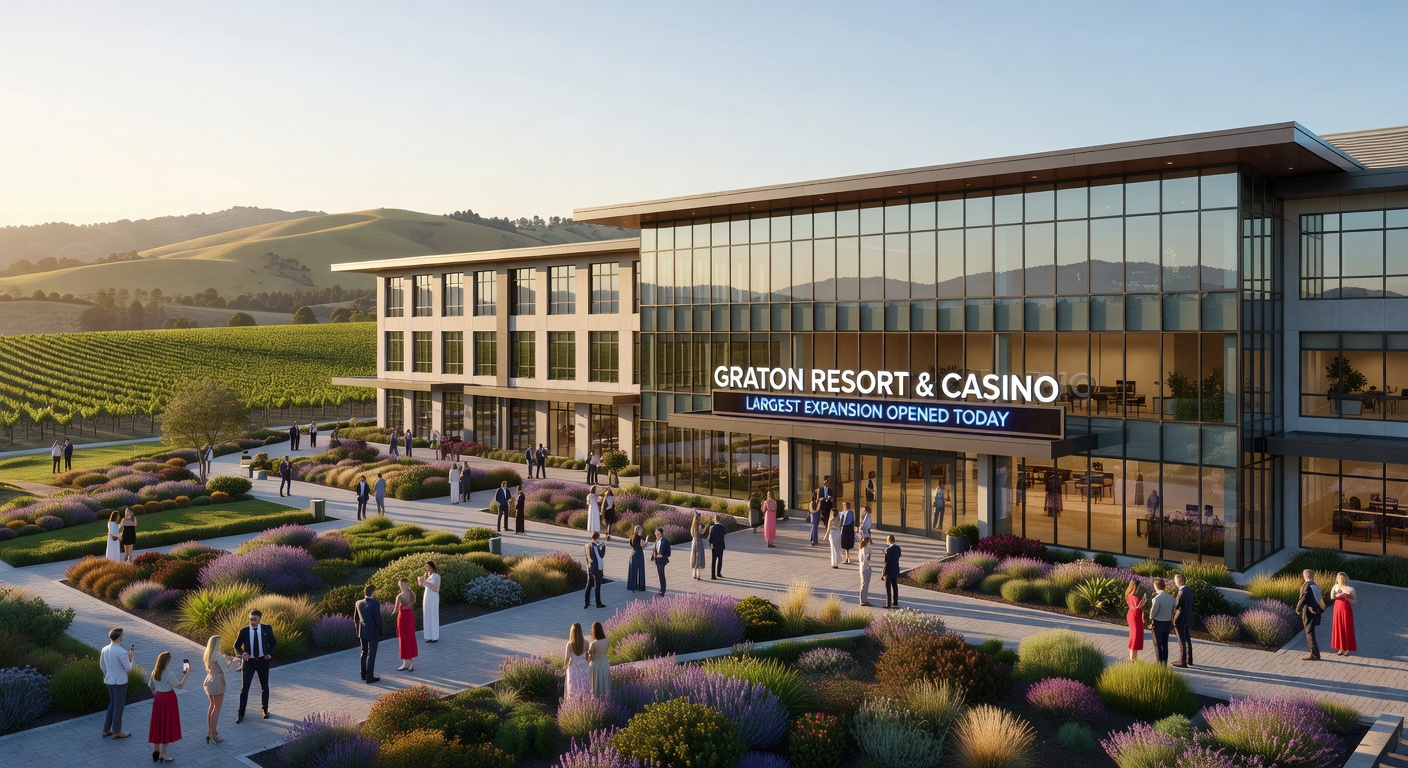
At the heart of this expansion lies a comprehensive redevelopment spanning three parcels, set to feature not just expanded gaming space but two restaurants and a dedicated function room, all under the charitable gaming banner that defines operations like those at Revo Casino; construction will unfold in phases, allowing for measured progress that minimizes disruption to ongoing activities, and experts who've tracked similar projects in New Hampshire point out how phased approaches often accelerate timelines while managing costs effectively.
What's interesting here is the sheer scale—73,000 square feet represents a substantial leap from existing footprints, replacing dilapidated buildings that have lingered for decades, and those familiar with Manchester's South Willow Street corridor know it's a key thoroughfare where visual appeal and functionality intersect; the new facility promises to blend gaming with dining and event spaces, potentially drawing more visitors who contribute to charitable causes through New Hampshire's unique gaming model.
And while the variances numbered more than a dozen, they targeted practical needs like setbacks, heights, and lot coverage, adjustments that the board deemed essential yet justified given the site's constraints; data from local zoning records, as referenced in industry briefs, underscores how such grants have historically boosted economic activity in similar urban renewals.
Key Figures Driving the Expansion
Dick Anagnost emerges as a central player, not only as the majority owner of the parcels but also as a vocal advocate for the project's merits during board discussions; his comments emphasized modernization's role in elevating the area's gateway status, and those who've followed his involvement in Granite State Poker Alliance initiatives appreciate how such leadership often bridges gaming operations with community enhancement.
The Granite State Poker Alliance, operator of Revo Casino, brings established expertise to the table, having navigated New Hampshire's charitable gaming regulations for years, where proceeds fund nonprofits—a model that sets the state apart, according to reports from the New Hampshire Lottery Commission; this alliance's track record includes prior expansions that complied with state laws, ensuring gaming remains a tool for goodwill rather than pure profit.
But here's the thing: Anagnost's dual role as landowner and stakeholder streamlines coordination, a factor board members likely weighed in their unanimous support, since unified ownership reduces typical development hurdles.
Navigating the Zoning Variance Process
Manchester's Zoning Board of Adjustment plays a pivotal role in such matters, reviewing requests that deviate from standard codes to enable projects benefiting the public good; in this case, the board's unanimous approval of over a dozen variances—covering aspects like building dimensions, parking configurations, and landscaping requirements—demonstrates thorough deliberation, with public hearings allowing input from residents and stakeholders alike.
Turns out, variances aren't handed out lightly; applicants must prove undue hardship or unique site conditions, criteria met here through evidence of the parcels' outdated state and the expansion's alignment with broader economic revitalization goals; researchers studying New England zoning trends, such as those from the International City/County Management Association (though focused nationally), have observed how gaming-related developments often secure such nods when tied to charitable outcomes and job creation.
So, with approvals secured, attention shifts to implementation, where phased construction becomes key—initial phases targeting demolition and foundational work, followed by core gaming and dining builds.
Phased Timeline and Local Implications
Construction rolls out in deliberate phases, starting with site preparation that clears the 60- to 70-year-old structures, paving the way for a facility that integrates seamlessly into South Willow Street's fabric; projections indicate major milestones by mid-decade, with full operations potentially ramping up around April 2026, when the function room and secondary restaurant could open, drawing event planners and diners to what becomes a multifaceted destination.
People who've watched Manchester's commercial evolution often point to such projects as catalysts for surrounding growth—think increased foot traffic spilling into nearby businesses, although the charitable focus ensures benefits extend beyond revenue; data from past New Hampshire gaming expansions reveals boosts in local employment, with facilities like this generating dozens of jobs in hospitality and operations.
Yet, the real draw lies in modernization: those creaky old buildings, relics of a bygone era, yield to energy-efficient designs compliant with current codes, and observers note how this not only improves aesthetics but supports sustainable practices increasingly prioritized in zoning reviews.
Economic and Community Ripples
Revo Casino's growth aligns with New Hampshire's charitable gaming framework, where tournaments and play fund causes from youth sports to veterans' programs—a system that, per state lottery data, has channeled millions annually into communities; this expansion amplifies that impact, potentially elevating Manchester's profile as a gaming hub without straying from regulatory bounds.
Take one comparable case from nearby regions: similar variance approvals for charitable venues in Massachusetts led to 20% visitor upticks within the first year, figures that hint at Revo's trajectory, although local variables like South Willow's accessibility will shape outcomes; Anagnost's vision of an enhanced entryway resonates, since gateway improvements often correlate with higher property values, as studies from urban planning groups confirm.
Now, with variances locked in, contractors mobilize, and the alliance prepares operational tweaks to match the larger footprint—expanding poker tables, upgrading tech for smoother play, all while keeping the charitable ethos front and center.
Challenges Overcome and Path Ahead
Securing unanimous board support wasn't a given; variances demanded robust presentations proving necessity, from soil tests on the aging parcels to traffic impact analyses ensuring South Willow handles added volume; the Granite State Poker Alliance delivered, leveraging Anagnost's insights and engineering reports that quelled concerns.
It's noteworthy that this approval comes amid New Hampshire's steady gaming maturation, where charitable operations like Revo fill niches left by traditional casinos elsewhere; experts tracking the sector anticipate this project strengthening the state's model, especially as phased builds allow real-time adjustments based on community feedback.
And as April 2026 nears—slated for key phase completions—the site transforms from eyesore to asset, a testament to how zoning flexibility fuels progress when paired with clear community value.
Looking Ahead: A Revitalized Landmark
This unanimous greenlight for Revo Casino's expansion marks a pivotal moment for Manchester's South Willow Street, where three parcels evolve into a 73,000-square-foot beacon of charitable gaming, dining, and events; with Dick Anagnost and the Granite State Poker Alliance at the helm, phased construction promises steady advancement, culminating in enhancements that modernize an aging corridor while bolstering local nonprofits.
The board's decision, rooted in detailed variances addressing site-specific needs, sets a precedent for balanced development, and as the project unfolds—potentially hitting stride by April 2026—Manchester stands to gain a facility that blends economic vitality with communal good, all under the watchful eye of state regulators ensuring compliance every step.