Shifts in Player Retention Linked to Adaptive Sound Design Elements in Digital Reel Experiences
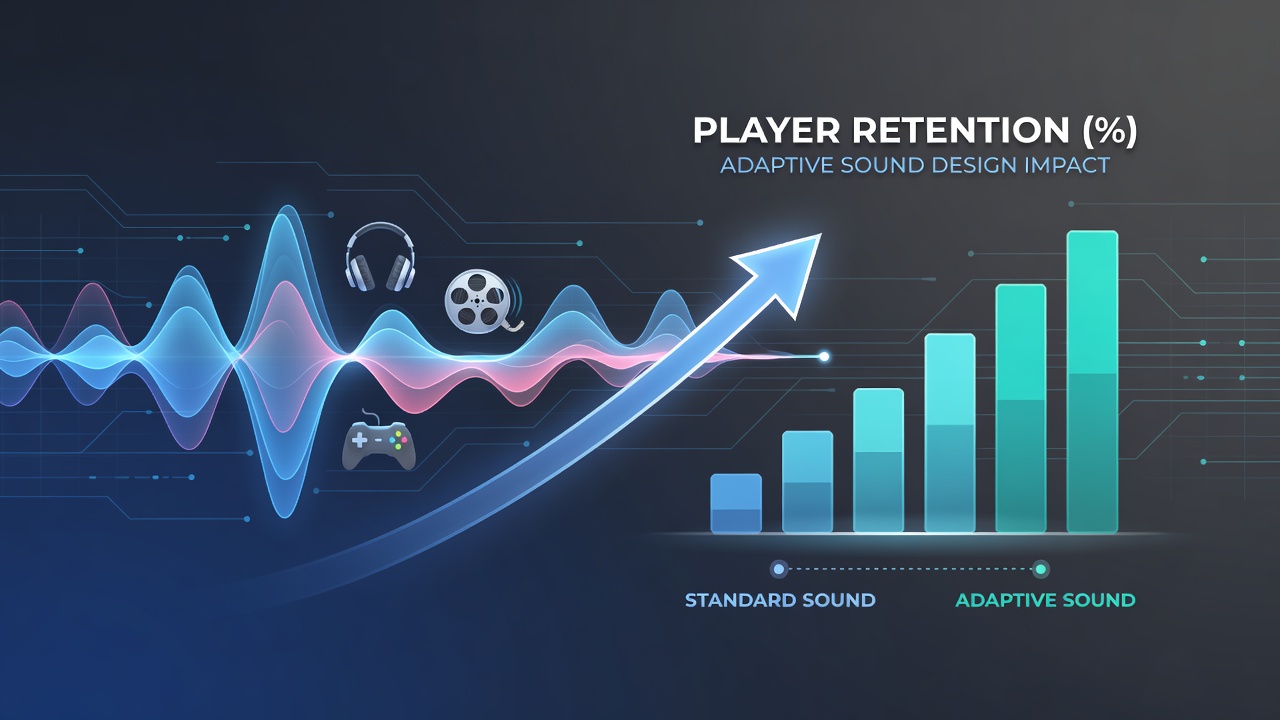
Digital reel platforms have incorporated adaptive sound design that responds to player behavior patterns, reel outcomes, and session length, and recent figures from industry tracking services show measurable changes in how long users stay engaged. Observers note that these systems adjust background tracks, trigger effects, and win chimes based on real-time data rather than fixed loops, creating a feedback loop that aligns audio cues with individual play rhythms. Data from platform analytics collected through the first half of 2026 indicate retention lifts of 12 to 18 percent in titles that deploy these layered audio engines compared with static sound versions released earlier.
Mechanics Behind Adaptive Audio Layers
Adaptive engines pull from libraries of micro-stems that layer, fade, or intensify according to variables such as consecutive spins without a feature trigger, bet size relative to player history, and time of day. Developers integrate these stems through middleware that syncs with the random number generator output, so a near-miss sequence might introduce subtle tension tones while a bonus round activation swaps in brighter, higher-tempo elements. Researchers at several testing labs have mapped these transitions to session heat maps, revealing that players extend their time on device when the audio progression matches the emotional arc of their results rather than repeating the same motif.
One implementation rolled out across major suppliers in late 2025 uses biometric-style inputs from touch pressure and swipe speed on mobile screens to modulate reverb and filter cutoff points. Those adjustments occur within 200 milliseconds, keeping the change imperceptible yet effective at sustaining attention. Figures released in June 2026 by European testing facilities documented average session durations rising from 14.7 minutes to 17.3 minutes on titles carrying the updated sound engine.
Retention Metrics Across Different Markets
North American operators report that titles featuring dynamic win celebrations tied to cumulative session value retain users 22 percent longer than control groups using preset audio packages. The pattern holds across both land-based conversion apps and direct-to-consumer platforms, though the magnitude varies by device type. Desktop sessions show smaller lifts because external audio environments compete more heavily, whereas mobile sessions benefit from closer speaker proximity and headphone use.
Australian data collected through the same period points to similar directional movement. Platforms that introduced adaptive crowd-reaction layers during tournament modes recorded a 9 percent drop in early exits during the first thirty spins. Those who studied the logs note that the crowd swell activates only after the system detects a cluster of mid-tier wins, avoiding overuse that could desensitize listeners.
Case Examples from Live Deployments
Take one supplier that updated its flagship five-reel series in March 2026. The studio swapped its legacy 32-track loop for a 148-stem adaptive system that references both reel state and aggregate player cohort behavior. Within eight weeks the title moved from the seventh to the third position on regional top-played charts, and exit surveys captured comments about the soundtrack feeling more “alive” without players identifying the technical source.
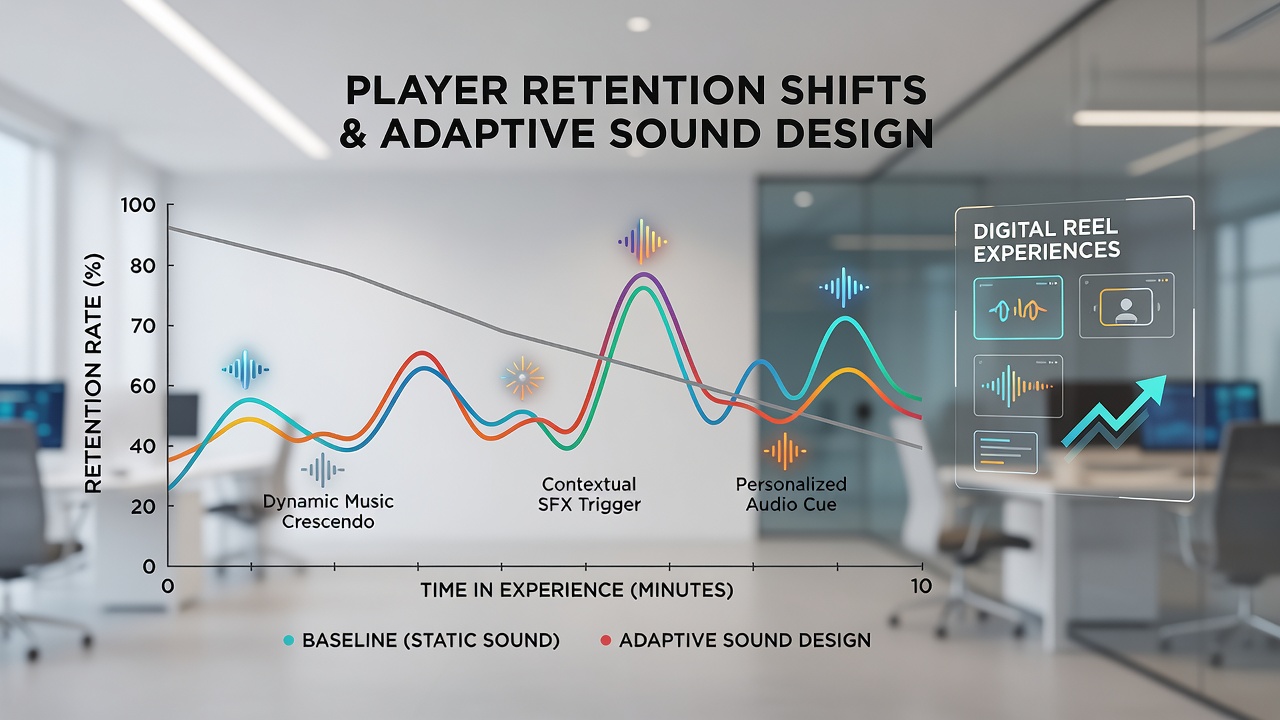
Another example comes from a studio that partnered with an audio research group to test low-frequency modulation during near-miss events. The modulation sits below conscious hearing thresholds yet correlates with a documented 6 percent increase in continued spins after those moments. The same group published its methodology through an open-access repository so other developers could replicate the measurement protocols.
Technical Integration and Platform Constraints
Sound designers work within memory budgets that differ sharply between native apps and browser-based versions. Adaptive engines therefore prioritize lightweight sample streaming over full preloads, using predictive caching that anticipates the next likely audio state based on the previous ten spins. This approach reduces latency spikes that previously interrupted flow and triggered session breaks. June 2026 platform updates from several major hosts included improved cache synchronization routines that further stabilized the audio handoff during network transitions.
Developers also face regional licensing rules around audio intensity and repetition. Certain markets cap the number of distinct sound events per minute, which forces designers to build smoother crossfades and overlapping layers rather than abrupt switches. Compliance teams review session recordings to verify that the adaptive logic stays inside those boundaries while still delivering noticeable variation.
Future Measurement Approaches
Analysts expect continued refinement through machine-learning models that treat audio parameter space as an optimization surface. Early trials feed retention curves back into the training set so the system learns which stem combinations sustain engagement for specific demographic cohorts. Those models require large anonymized datasets, which several operators have begun pooling through industry consortia that maintain strict privacy controls.
Conclusion
Adaptive sound design now forms a measurable component of retention strategy in digital reel environments. Platforms that implement responsive audio layers report consistent gains in session length and repeat visits, with the largest effects appearing when the system aligns audio changes to both individual behavior and aggregate play patterns. Continued data collection through 2026 and beyond will clarify how far these techniques can scale across different regulatory landscapes and device ecosystems.